How UK Payment Methods Influence Wagering Requirements in No Deposit Slot Offers
Written by Jakob Reed · Aug 21, 2026
How UK Payment Methods Influence Wagering Requirements in No Deposit Slot Offers
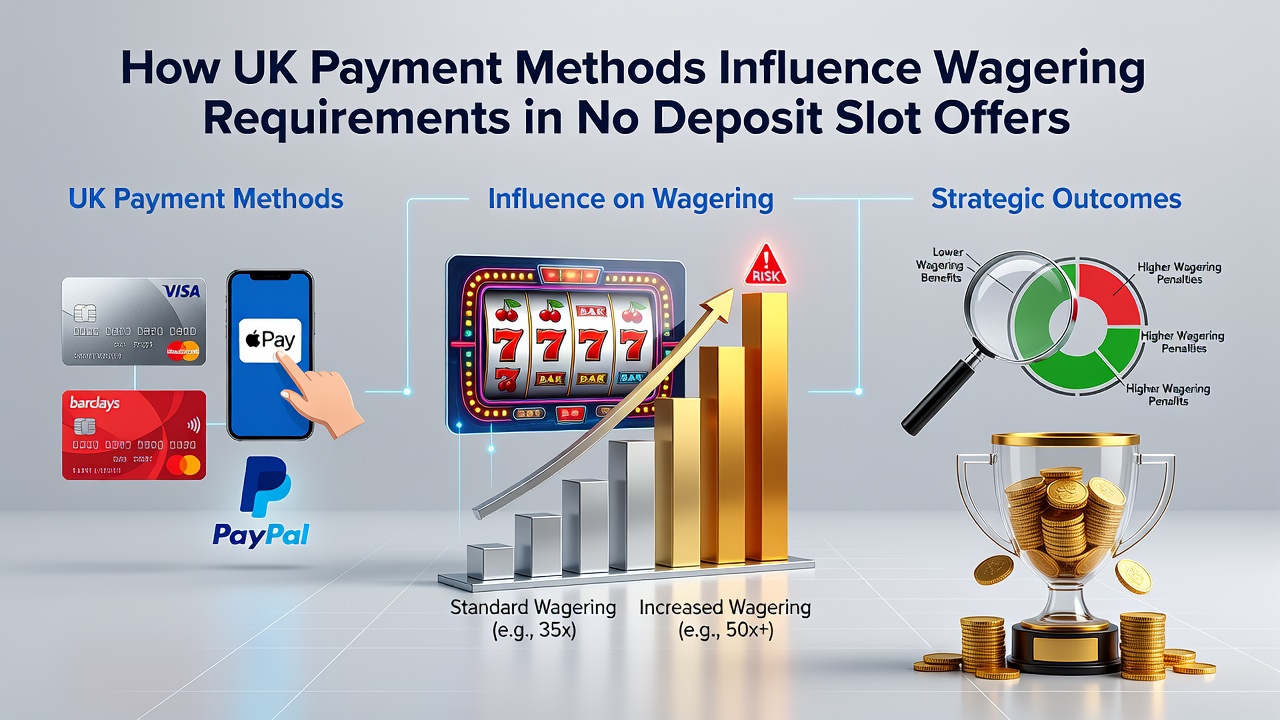
Payment methods available to UK players shape how no deposit slot offers operate because they determine transaction speed, verification steps, and eligibility checks that operators apply before any bonus funds become active. Different systems carry distinct processing times which in turn affect when wagering requirements can begin to be met, and this relationship has grown more visible as digital wallets and instant bank options expanded throughout 2025 and into August 2026.
Payment Methods Commonly Used for No Deposit Slots
UK players typically select from debit cards, e-wallets, prepaid vouchers, and bank transfers when claiming no deposit slot offers, and each category carries its own set of operational rules that influence bonus activation. Debit card transactions usually require address verification that can delay the moment a player receives free spins or bonus cash, whereas e-wallets often complete identification checks in advance so the wagering clock starts sooner. Prepaid options such as vouchers tend to bypass some bank-linked verifications yet may impose daily limits that restrict how much of a wagering target can be pursued in a single session.
Wagering Requirements and Their Connection to Funding Choices
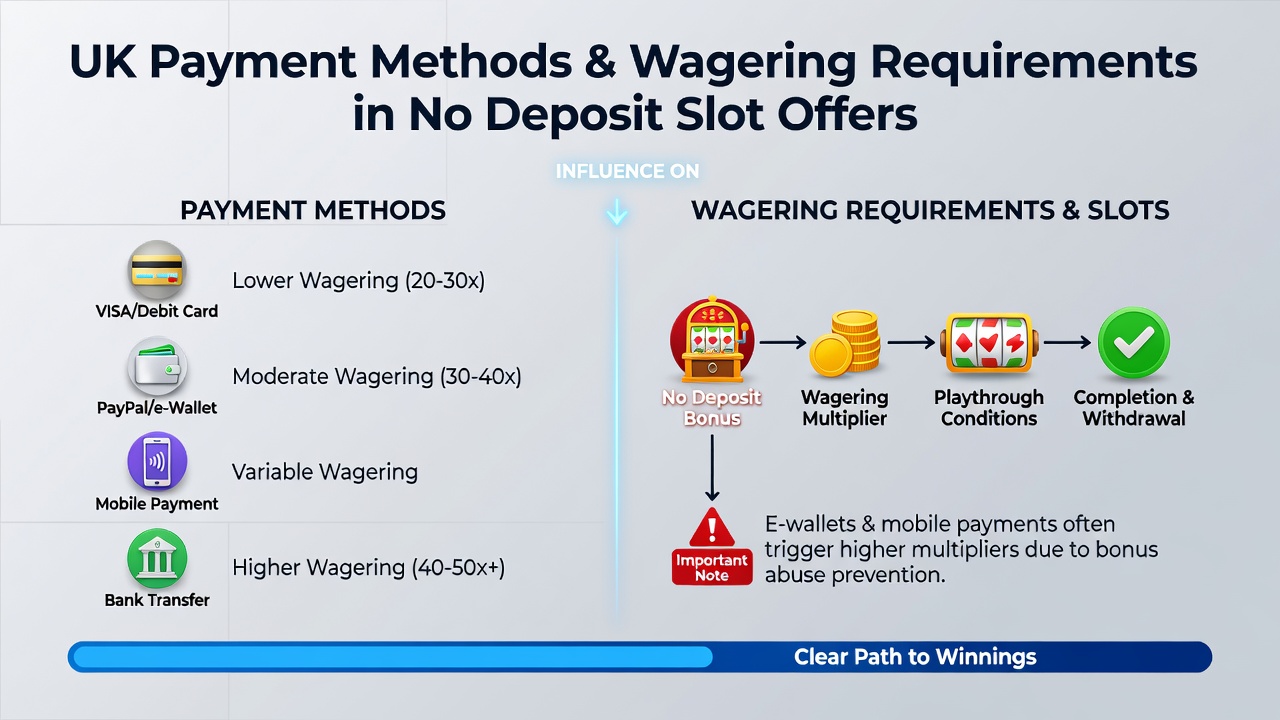
Wagering requirements specify the number of times bonus amounts must be bet before withdrawals are permitted, and payment method selection can alter the practical timeline for completing those targets. When a player funds an account through an instant e-wallet, operators often credit bonuses immediately so the required bets can be placed without interruption, while slower bank transfers may push the entire process into a later period where game availability or promotional terms have changed. Data from industry reports shows that players using faster methods complete wagering cycles at higher rates because fewer verification holds interrupt play sequences.
Verification Processes Across Different Systems
Operators apply identity checks that vary by payment provider, and these checks directly affect whether a no deposit offer can be claimed at all. E-wallet accounts that already hold verified status allow quicker bonus access, whereas new debit card users may face additional document requests that postpone the start of any wagering activity. In August 2026 several platforms updated their internal policies to align verification speed with payment type, resulting in clearer distinctions between instant and standard processing routes.
One study conducted by researchers at a European academic institution found that transaction method choice correlates with the average time needed to satisfy wagering targets, particularly when no deposit slots are involved. The findings indicated that users of prepaid vouchers encountered stricter daily contribution caps that extended overall completion periods compared with those relying on established e-wallet balances.
Regional Regulatory Context and Industry Standards
Although UK-specific rules remain central, broader European frameworks such as those outlined by the European Gaming and Betting Association provide context for how payment speed and bonus conditions interact across markets. These standards encourage operators to maintain transparent links between funding methods and bonus terms so players understand when wagering can commence. Additional research published through the American Gaming Association highlights parallel patterns in other jurisdictions where instant payment options reduce friction in bonus redemption processes.
Practical Examples Observed in Current Offers
Consider a no deposit slot promotion that awards twenty free spins upon registration. When a player registers with an already-verified e-wallet, the spins activate within minutes and the associated wagering requirement of thirty times begins immediately. In contrast, a bank transfer registration may trigger a twenty-four-hour verification window during which the spins remain unavailable and the wagering window shifts accordingly. Observers note that such timing differences accumulate across multiple offers and can change the total volume of play required to reach withdrawal eligibility.
Another case involves prepaid voucher funding where operators apply lower contribution percentages toward wagering targets because of the method's limited traceability. This adjustment means players must place higher total bets to meet the same requirement that an e-wallet user would satisfy with fewer spins. Figures from recent industry analyses reveal measurable differences in completion success rates tied directly to these payment-specific adjustments.
Conclusion
Payment method selection continues to shape the practical application of wagering requirements in UK no deposit slot offers through its effects on verification speed, transaction limits, and contribution weighting. As platforms refine their systems in response to evolving standards, the relationship between funding choice and bonus conditions remains a key operational factor that determines how quickly and effectively players can progress through promotional terms.