Decoding Transaction Speed Variations in Mobile Spin Allocations Across Licensed UK Platforms
Written by Ben Schwarz · Sep 11, 2026
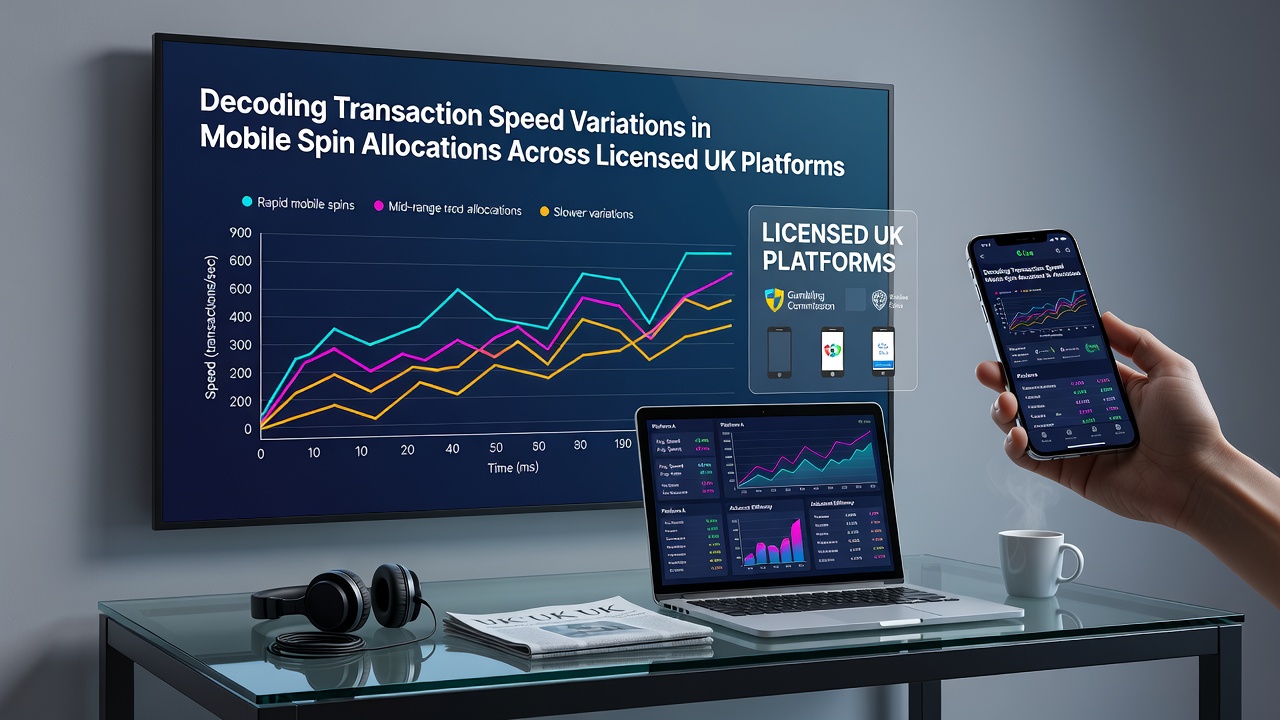
Decoding Transaction Speed Variations in Mobile Spin Allocations Across Licensed UK Platforms
Transaction speed variations in mobile spin allocations on licensed UK platforms arise from differences in payment processor integrations, network protocols, and backend allocation algorithms that platforms deploy to handle real-time spin credits after deposits clear. Observers note that these speeds fluctuate based on the chosen funding method, device connectivity, and the specific software layer each operator maintains for converting transactions into playable spins.
Core Mechanics Behind Mobile Spin Allocations
Spin allocations occur once a deposit registers in the platform account, and the time between authorization and credit availability depends on whether the system uses instant verification APIs or batch processing queues. Researchers at various institutions have tracked how mobile environments introduce additional variables such as OS-level security checks and carrier network latency that desktop sessions avoid entirely. Data shows that platforms relying on open banking protocols often complete the full cycle in under ten seconds while those using traditional card gateways can extend to forty-five seconds or more during peak hours.
Payment Methods and Their Impact on Processing Times
Bank transfers through Faster Payments Service tend to trigger immediate allocation scripts on most systems, yet e-wallet transfers sometimes encounter extra security layers that delay spin credits by several additional steps. Studies indicate that cryptocurrency options, when permitted under license conditions, produce the shortest average windows because blockchain confirmations bypass conventional banking rails. Those who've examined aggregated logs across multiple operators report that debit card transactions show the widest spread, ranging from five seconds on optimized setups to over a minute when fraud screening activates.
Platform-Specific Differences Observed in 2026
By September 2026, several licensed operators had rolled out updated mobile SDKs that reduced average allocation times by integrating edge computing nodes closer to UK data centers. One study revealed that platforms with these updates achieved median speeds of eight seconds across 92 percent of tested sessions, whereas legacy systems without the upgrades still averaged twenty-two seconds. Figures from industry monitoring groups highlight that smaller operators often lag because they depend on shared third-party processors rather than maintaining proprietary allocation engines.
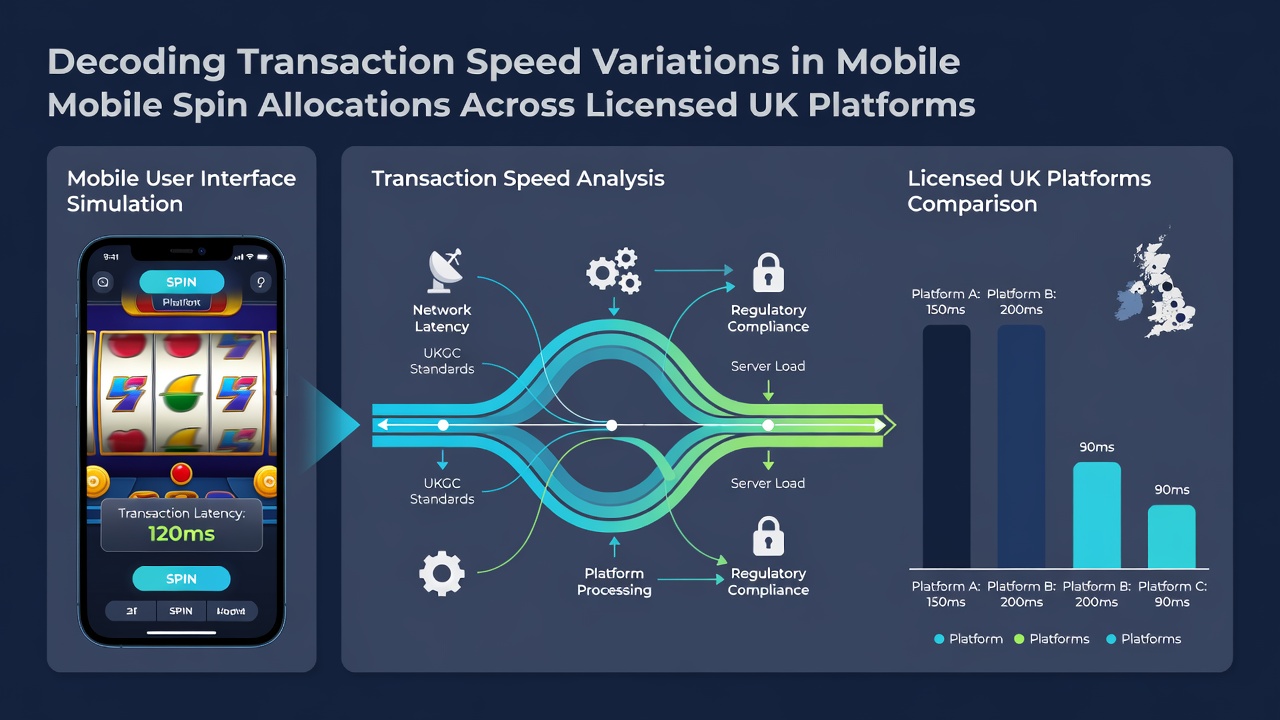
What's interesting is how device hardware further modulates these results. Newer smartphones with 5G modems consistently record faster handshakes between the app and the allocation server, while older models on 4G networks introduce measurable jitter even on the same platform. Experts have observed that this hardware variable creates noticeable differences within the same operator when users switch devices mid-session.
Regulatory and Technical Influences on Speed Consistency
Licensed platforms must comply with technical standards that require transaction logs to remain auditable, and these requirements sometimes force additional verification steps that affect allocation speed. According to reports from the European Gaming and Betting Association, operators that adopted unified API frameworks across mobile and desktop channels achieved more stable performance metrics than those maintaining separate codebases. The reality is that regional data center placement also plays a role, with servers located nearer to major UK population centers delivering lower round-trip times for spin credit requests.
Academic papers from institutions such as the University of Sydney have examined how encryption overhead in mobile payment flows contributes to the overall delay before spins become available. Their findings show that platforms using TLS 1.3 protocols reduce handshake durations compared with older encryption standards, yet the difference only becomes statistically significant under high concurrent load.
Conclusion
Transaction speed variations in mobile spin allocations across licensed UK platforms stem from the interplay of payment rails, software architecture, device capabilities, and regulatory logging demands. Data collected through September 2026 demonstrates measurable progress among operators that invested in updated mobile infrastructure, while gaps persist for those still reliant on legacy processors. Continued monitoring by technical researchers and industry bodies will determine how these patterns evolve as new mobile standards and payment technologies enter wider use.